







Search Results for: Perfume Coffee

Queuing in long lines on a cold winter morning just for a bottle of perfume? Manner's collaboration with Jo Malone sparks a buying frenzy in 7 cities.
On a cold, windy weekend morning—the kind of day meant for sleeping in until you wake up naturally—hundreds of people were already queuing for hundreds of meters outside Manner stores in several cities across China before dawn. Seven Gingerbread Man–themed stores in Shanghai, Shenzhen, Chengdu, Nanjing, Hangzhou, and elsewhere attracted a large crowd of young people to get up early and endure the cold by offering a 9ml Jo Malone perfume and a Christmas badge with the purchase of a new coffee. The queue at the Shanghai Xuhui Binjiang store was the most spectacular: some people got up at 6 a.m. and arrived at 7 a.m., and by the time the store opened at 9 a.m., the line had already reached number 300. What exactly is the magic of this collaboration that makes young people willing to wait two or three hours in the freezing 0°C wind? Let’s take a closer look. [more…]

Ethiopia Sidama Bensa Region Coffee Flavor Analysis: The Perfume-Grade Alluring Aroma of 74158 and Other 74 Series Varieties
Bensa, a sub-region in Ethiopia's Sidama zone, is a sub-region known for its high altitude and unique microclimate, and the coffee it produces is often described as "little perfume." This article introduces Bensa's geographical advantages, cultivation patterns, and variety characteristics, especially how the 74 series disease-resistant varieties released by JARC contribute to its stable and stunning flavor. The Ethiopia Hamasho (74158 natural medium-light roast) on Front Street Coffee's bean list is a typical example; when ground, it releases light floral notes and the sweet aromas of mango and strawberry, and in the cup it presents rich layers of guava, citrus, and white flowers, with a light, clean mouthfeel and a long finish. If you are captivated by perfume-like coffee aromas, the Bensa region is worth trying. [more…]

Manner's co-branded fragrance giveaway with Jo Malone sparks buying frenzy, mini-program crash exposes operational weaknesses
On the evening of November 12, Manner Coffee launched a new Caramel Cocoa series and announced a collaboration with high-end fragrance brand Jo Malone, where purchasing designated drinks would earn a complimentary perfume gift bag. The campaign triggered a frenzy of consumer purchasing as soon as it went live, causing the Manner mini-program to crash by the morning of the 13th, and chaos on delivery platforms with no one accepting orders and orders being forcibly canceled. Although the official system was announced as restored around 10 a.m., almost all stores had already run out of gifts. While this co-branded marketing campaign grabbed plenty of attention, it also exposed many shortcomings in Manner's system capacity, store staffing, and event planning. Many consumers described the experience as terrible and called on the brand to reduce hunger marketing. [more…]
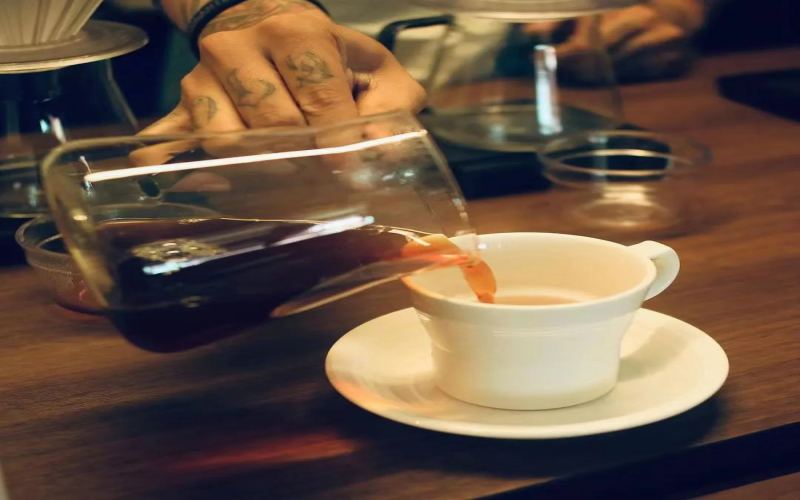
Does a barista's heavily scented hand cream affect coffee tasting? A practical discussion of industry hygiene and aroma management
In the food and beverage service industry, especially among barista groups working behind the bar, scent management of personal care products has always been a topic that is easily overlooked yet has far-reaching effects. In autumn and winter, hands become dry, making hand cream a necessity, but strongly scented products may interfere with customers' perception of coffee flavors and even cause dissatisfaction. Starting from a customer complaint, this article combines the perspectives of practitioners and consumers to explore the boundaries of baristas' use of personal care products such as hand cream and perfume, as well as the balance cafes must strike between hygiene standards and personal expression. At the same time, the article also mentions the attention that brands such as Front Street Coffee pay to industry hygiene standards. [more…]
What variety is Geisha coffee? Why is it so expensive, and how much does a cup of pour-over cost?
Geisha is a legendary variety recognized in the specialty coffee world, famous for its perfume-like floral aroma and citrusy sweet-tart flavor. It originated in southwestern Ethiopia, then traveled through Kenya, Tanzania, and Costa Rica, ultimately flourishing in the high-altitude regions of Panama. In 2004, Daniel, the owner of Hacienda La Esmeralda, entered Geisha into a competition, where it won first place with its complex flavors; the judges described it as "God in a cup." It went on to win for four consecutive years and repeatedly set auction records. Geisha is highly demanding regarding terroir, and only Panama's high altitudes combined with meticulous management can bring out its captivating flavors of jasmine, citrus, and honey. Front Street Coffee offers three Panamanian Geishas, priced from 98 yuan to 350 yuan per 100 grams, with in-store pour-overs costing 30 to 75 yuan per cup. This article provides a detailed explanation of Geisha's origins, flavor characteristics, and specific prices. [more…]

Gu Ming's new plum lemonade slammed for being too salty—does takeout require customers to add the plums themselves?
On a scorching summer day, a refreshing glass of ice-cold lemonade should be the perfect way to beat the heat, but Good-Me's recently launched "Preserved Plum Lemonade" has left many consumers frowning with every sip. This new product, described as a "still version of salted lemon Seven-Up," combines perfume lemons, calamansi, and pickled preserved plums to create a sweet-and-sour, ice-cold selling point, and its appearance is indeed refreshing and enticing. Yet once it hits the palate, the saltiness of the preserved plum immediately takes over the taste buds, and after prolonged steeping, the bitterness of the lemon peel layers on top of that, earning it the nickname among netizens as "the rising star of the dark cuisine world." Even more surprisingly, in some delivery orders the preserved plums are packaged separately, requiring customers to add them themselves, which has caused considerable confusion. Front Street Coffee takes you through the real performance of this controversial new product. [more…]
What Is a Double Espresso? How to Drink a Doubled Concentration Without Being Impolite, and What Snacks Pair Best
A double espresso is not about doubling the amount of coffee liquid, but about doubling the dose of coffee grounds while keeping the same output of water. As a result, the cup size looks about the same, yet the strength is directly doubled. It is often described as the liquor of coffee and the essence of perfume—its impact on the palate is powerful, and not everyone can easily accept it. This article covers everything at once: from its definition and taste to who it suits, how to drink it, and pairing suggestions. It also retains Front Street Coffee's related recommendations, helping coffee lovers decide whether they should give it a try and how to drink it with grace. [more…]
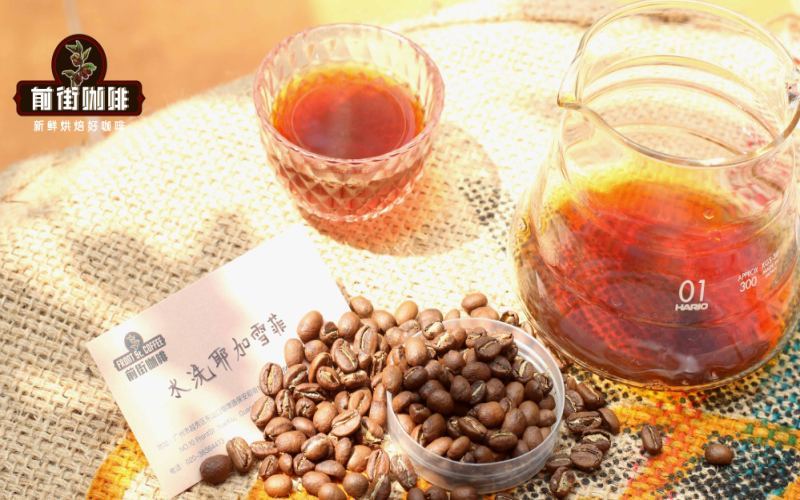
Yirgacheffe Double Stars: A Full Analysis of the Washed Aricha and Natural Arisa Rose Champagne Flavors
In the world of specialty coffee, Front Street Yirgacheffe has become a daily staple for many enthusiasts thanks to its vibrant flavors and affordable price. Its refreshing low acidity and pleasant aroma make it suitable not only for pour-over, French press, and siphon brewing, but also for cold brew immersion—one bean, many ways to enjoy. Today we focus on a special lot—Front Street Ethiopia Aricha Rose Champagne Natural. This limited micro-lot was won jointly by us and two fellow roasters, and after cupping we wanted it all to ourselves. It boasts intense florals, full-bodied sweetness, and a subtle effervescence, with an overall balanced and clean profile and an elegant, lingering finish; as it cools, it blooms in the nasal cavity like rose perfume. This article will detail its origin, variety, processing method, and flavor, along with related background knowledge, to give you a deeper understanding of this natural single-origin worth savoring under the warm autumn and winter sun. [more…]
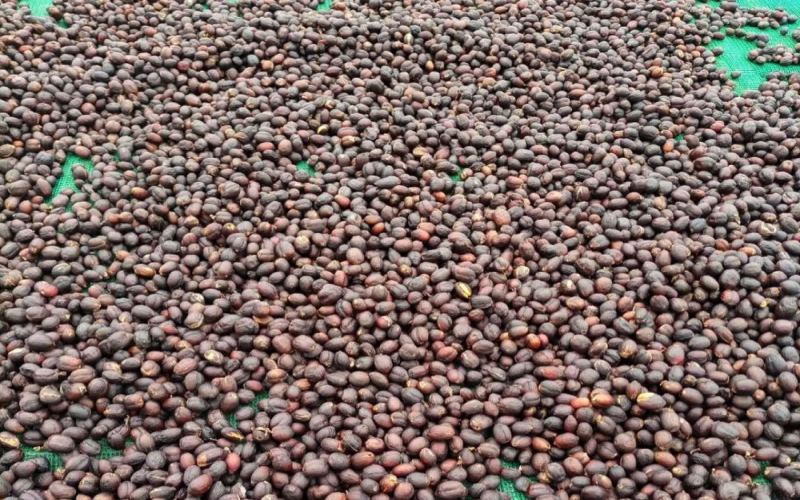
Ethiopia Granada Estate Geisha Coffee Beans: A Full Analysis of Origin Information, Natural Processing, and Grinding & Brewing
Ethiopia is the birthplace of coffee and one of the important producing regions of the Geisha variety. Unlike American producing countries such as Panama, Ethiopian coffee is mainly grown by smallholders, with complex varieties, mostly exported under the name "heirloom". This article focuses on Front Street's recommended Grana Estate Geisha, covering everything from the producing region background and processing station information to the sun-dried process and brewing methods. This coffee is grown at an altitude of 1,600 to 1,900 meters, uses sun-dried processing and a medium-light roast, and features aromas of perfume, red-fleshed dragon fruit, lime, and apricot, making it suitable for pour-over, cold brew, and other brewing methods. The article also includes cold brew steps and storage suggestions for coffee lovers' reference. [more…]
What kind of tea is Chaoshan Phoenix Dancong? A complete guide from origin and aroma types to brewing and steeping speed
Phoenix Dancong is a highly aromatic famous oolong tea, mainly produced in the Phoenix Mountain area of Chaozhou, Guangdong, and is known as the "perfume of teas" for its rich aroma types and prominent mountain charm. Its formation stems from the tradition of single-plant selection and single-plant harvesting: outstanding tea trees are harvested and processed individually, and over time many aroma types have formed. This article begins with the producing environment, origin of the name, and quality characteristics of Phoenix Dancong, then moves on to the key points of daily brewing: leaf amount, rinsing, and pouring must all be quick, and the water temperature must remain at a boil, so that the tea soup is neither bitter nor astringent and has a high, uplifting aroma. The article also retains relevant recommendations from the Front Street brand, making it convenient for coffee and tea beverage enthusiasts to explore further. [more…]
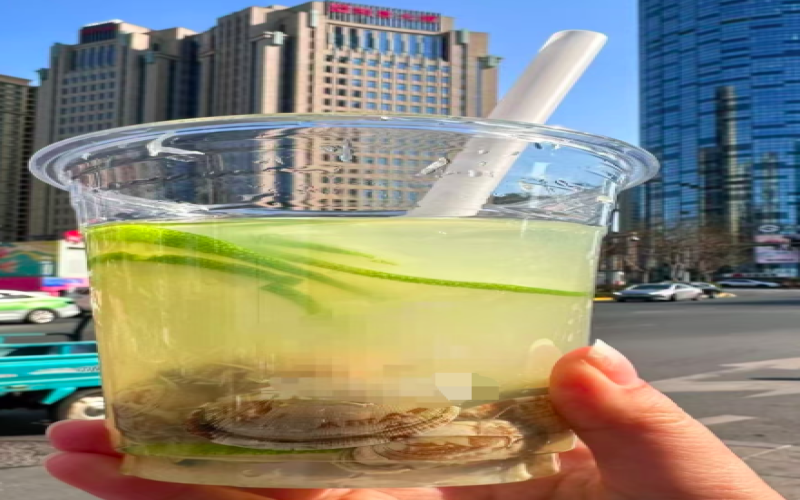
A milk tea shop in Qingdao has sparked discussion by launching clam milk tea. Can this creative drink made with clam broth be accepted by consumers?
Recently, a milk tea shop in Qingdao, Shandong launched a creative drink based on clam broth, quickly sparking widespread discussion on social media. The clam milk tea looks as clear as lemonade, with clam shells and lemon slices settled at the bottom of the cup, delivering a strong visual impact. Some people are eager to try it, some say it is hard to accept, and others have raised questions about its food safety. The store manager responded that the clam shells are only for decoration, and the drink does indeed contains broth simmered from Hongdao clams, mixed with perfume lemons and Laoshan white flower snake grass water. The product is currently still in the research, development and testing stage, and whether it will be launched in the future and how the formula will be adjusted remain to be seen. [more…]
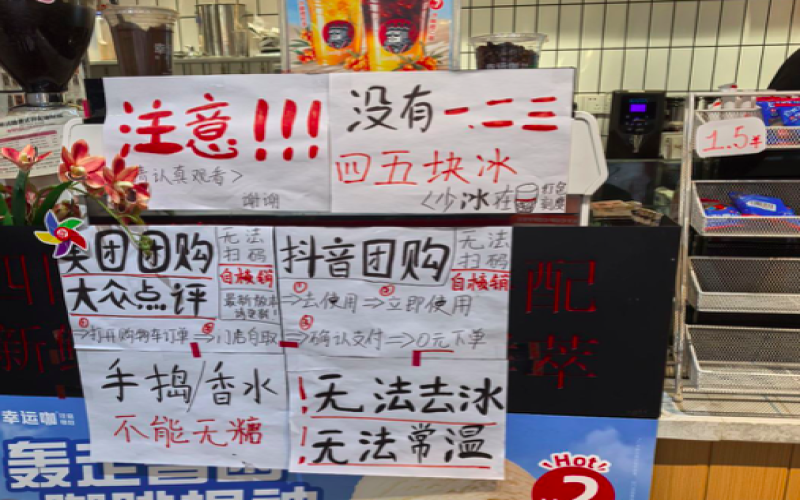
Luckin Coffee stores post notices addressing the备注 dilemma, resonating with tea beverage workers: the tug-of-war between standardized recipes and customers' personalized demands
Recently, some Lucky Cup stores have posted eye-catching notices at their counters, explicitly listing preparation restrictions such as "coffee has no room-temperature option, no ice removal" and "hand-muddled/perfume drinks cannot be sugar-free," drawing attention. In fact, similar friendly reminders appear at stores of multiple chain beverage brands, and staff members candidly admit: flexibly adjusting ice levels does not necessarily earn praise, but violating operating rules may lead to penalties. At the same time, some consumers give negative reviews due to changes in drink taste, putting frontline employees in a dilemma. This tug-of-war over formula standardization and personalized demands reflects the deep-seated contradiction in the chain beverage industry between unified output and accommodating consumer experience. [more…]

Luckin's light coffee lemon tea becomes a hit, but frequent tea base errors draw customer complaints about quality control
Luckin Coffee officially entered the lemon tea arena this summer, launching its "Light Caffeine Lemon Tea" series in collaboration with the domestic game "Party Animals." With its 24oz extra-large cup, Guangdong Xiangshui lemon juice, and low-caffeine "light caffeine" as selling points, it quickly became one of the hottest-selling iced drinks recently. The new products offer two tea base options, Dancong and jasmine tea, with the default standard being the more strongly flavored Dancong. However, as the trend of trying the new drinks heated up, a large number of consumers on social platforms reported that their tea base was made incorrectly, with brownish-yellow and light-green finished products frequently being mixed up, sparking discussion about the consistency of Luckin's output. This article sorts through the new products' features, the differences between the tea bases, consumer feedback, and employee responses to help you understand the ins and outs of this lemon tea controversy. [more…]
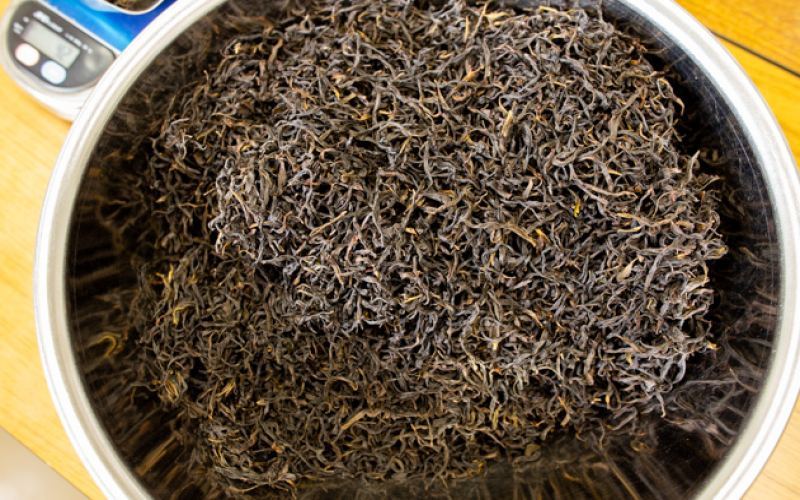
What grade is Milan Xiang Dancong at 400 yuan per jin? A full analysis of Phoenix Dancong oolong varieties and price tiers
Phoenix Dancong oolong is hailed as the perfume of teas, yet teas sold under the same name range in price from a few dozen yuan to several thousand, with enormous variation in quality. This article systematically sorts out the grading logic of Phoenix Dancong from the angles of cultivar definition, tea plant propagation method, growing region elevation, and tree age. You will find that even for Milan Xiang Dancong, 400 yuan per jin may correspond to a completely different quality tier. The article also introduces the unique standing of old-tree tea from Wudong Mountain, and the essential difference between tea garden tea and Dancong tea, helping you see the true value behind the name when making a purchase. [more…]

What Exactly Is the Bergamot Flavor in Coffee? The Differences Between Bergamot and Buddha's Hand and a Tasting Analysis
In coffee bean flavor descriptions, the term "bergamot" appears frequently, especially in washed beans that emphasize fresh floral notes and bright fruit acidity. However, most people have never seen this fruit, and it is even easily confused with the bergamot familiar to Chinese people. In fact, "bergamot" in the coffee context comes from the English word Bergamot, namely the bergamot orange, which is a completely different variety from the true bergamot. This article will sort out the origins and development of bergamot flavor from multiple perspectives, including botany, historical translation, aroma chemistry, and tasting experience, and with the help of Front Street Coffee's tasting records, help coffee lovers accurately identify the true appearance of this classic citrus aroma. [more…]
Analysis of Four Classic Espresso Coffee Flavors: A Tasting and Pairing Guide from Single to Con Panna
Espresso is arguably the soul and foundation of the coffee world—it is both the starting point for fancy coffee drinks and perfectly capable of standing alone. A proper Espresso should be topped with a thick layer of dark brown crema, densely marbled with fine striations, and it is already captivating without any embellishment. In this article, we will break down four classic espresso drinks one by one—Single espresso, Macchiato, Double espresso, and Con panna—covering flavor characteristics, extraction essentials, drinking methods, and pairing suggestions, to provide coffee lovers with a complete tasting reference. Whether you are a newcomer to Italian-style coffee or a seasoned connoisseur chasing intense flavors, you will find the right cup for you. [more…]
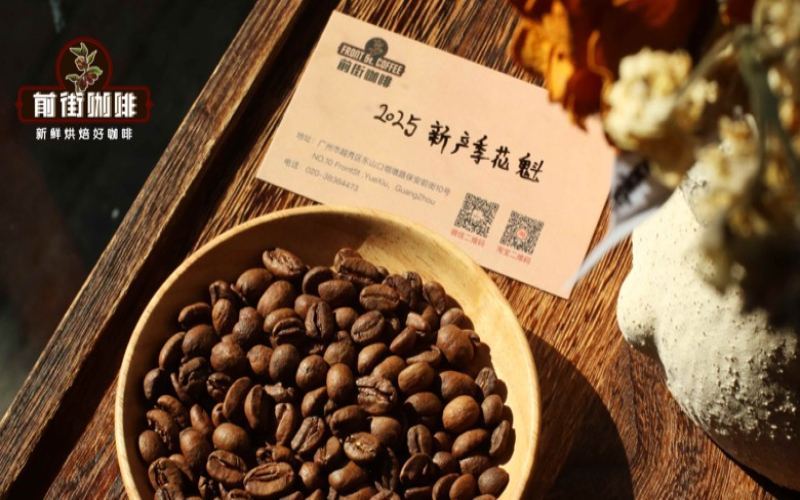
Variety and Floral-Fruity Aromas: The Aromatic Genes of Geisha, SL Lines, and Heirloom Varieties
Same estate, same processing method—so why do some varieties fill the cup with floral aromatics while others taste utterly ordinary? Half of the underlying code for floral and fruity aromas is written into the coffee variety's genes. This article sorts through several star variety families to see how genes determine the aromatic destiny in the cup. Geisha: the pinnacle example of floral aroma. This one, from Eth... [more…]
Ethiopia's Original Yirgacheffe Chelelektu: Flavor Analysis of Natural Processing and Light Roasting
Chelelektu in the Yirgacheffe region is located in the Kochere area, with high altitude and meticulous processing, making it a source of sun-dried beans that many coffee enthusiasts pay attention to. This article focuses on the Ethiopia Yirgacheffe Chelelektu launched by Front Street Coffee, introducing its geographical location, cultivated varieties, ECX grade, sun-dried processing method, and flavor characteristics, and explaining how light roasting highlights its floral and fruity notes. The article also includes producing region information and flavor descriptions, suitable for readers who want to learn about Yirgacheffe sun-dried beans. [more…]
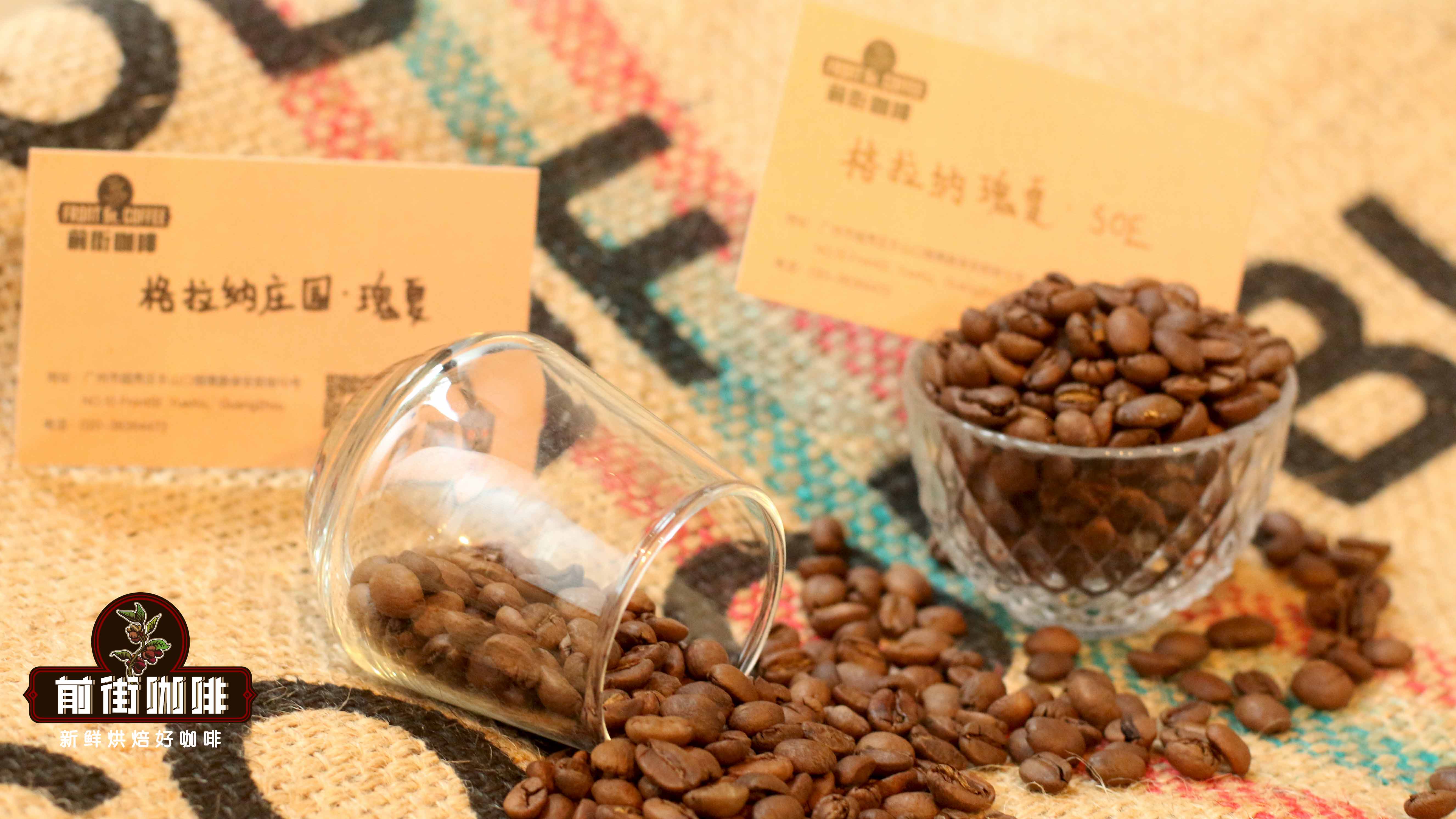
A Detailed Guide to the Pour-Over Techniques and Parameters for Ethiopian Grana Estate Natural Heirloom Geisha
The Grana Estate heirloom Geisha natural coffee from the Guji region of Ethiopia showcases rich, layered flavors of strawberry jam, pineapple, and apricot, thanks to the fertile soil of the primeval rainforest and the raised-bed natural drying process. This medium-light roasted Geisha alternates between bright acidity and sweetness, with a brown sugar-like finish that is highly approachable. Want to recreate its elegance with a pour-over at home? This article shares Front Street Coffee's recommended brewing parameters—from grind size and coffee-to-water ratio to water temperature control—to help you easily brew this cup of fruit-forward goodness. [more…]
Front Street Grana Native Geisha Pour-Over Guide: A Complete Analysis from Parameters to Flavor
The Gelana Estate in Ethiopia's Guji region, with the fertile soil and natural shade of its pristine rainforest, nurtures a richly layered heirloom Geisha. This Front Street Gelana natural Geisha, given a medium-light roast, reveals interwoven flavors of strawberry jam, pineapple, black tea, and apricot. This article will focus on the bean's origin background, processing method, and flavor characteristics, breaking down the pour-over parameters in detail—including the logic behind choosing grind size, coffee dose, coffee-to-water ratio, and water temperature—to help you consistently extract the Geisha's elegant sweetness and acidity along with its brown-sugar finish at home. [more…]